
Finding the perfect toddler pajamas for sensitive skin can feel like searching for a needle in a haystack. A restless toddler tossing and turning because of itchy seams or scratchy material is any parent’s nightmare. From the very first wear, the comfort of your child hinges on selecting sleepwear that soothes and protects. In this guide, you’ll learn how to choose pajamas that nurture delicate skin, helping your toddler—and you—sleep soundly.
When it comes to sensitive skin, the fiber content of pajamas makes all the difference. Natural fabrics such as 100% organic cotton deserve top billing. Free from harsh dyes and chemical finishes, organic cotton breathes beautifully and provides a gentle barrier between your toddler’s skin and the world. On balmy evenings, consider bamboo viscose: its ultra-soft touch and moisture-wicking properties keep toddlers cool and dry, without aggravating eczema or heat rash. Modal, a fabric crafted from beech tree pulp, has a luxurious stretch and resilience; it drapes smoothly over tiny torsos, ensuring bedtime movements—tucking in a beloved blanket or grabbing a bedtime book—never cause irritation. For the hottest months, a linen-blend pajama set offers exceptional breathability, though it often benefits from a pre-wash to soften the fibers. And when winter’s chill arrives, a plush microfiber or fleece-backed knit set can provide warmth without sacrificing gentleness, as long as you choose pieces with flat seams and covered zippers.
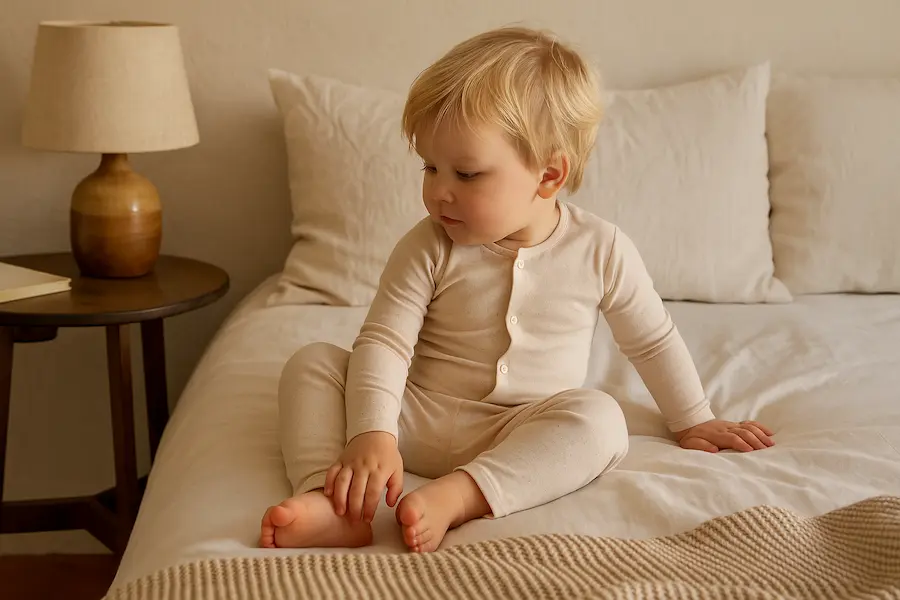
But fabric is only half the story. The fit and construction of sleepwear play starring roles in preventing nighttime discomfort. Imagine pajamas with exposed tags that rub against a toddler’s neck or tight elastic bands that constrict the waist: such details can create a cascade of chafing and scratching. Instead, look for tagless necklines—labels printed directly onto the fabric—and flat-lock stitching along all seams. A soft, fold-over waistband is preferable to exposed elastic, sparing your child any pinching or digging. Cuffs at the wrists and ankles should strike a balance between staying in place and allowing freedom of movement: light ribbing prevents sleeves from riding up, yet isn’t so tight that it leaves red marks. Finally, make sure sleeves and pant legs fall to an appropriate length. Too-short pajamas can ride up, exposing skin to scratchy hems, while too-long legs may bunch beneath chubby feet and rub.
Design and Care Tips for Lasting Softness with Toddler Pajamas
Design details and proper care transform good pajamas into great ones. Seek out sleepwear with “zipper garages” or fabric flaps that cover the zipper pull—nothing worse than a rough metal zipper scratching a toddler’s chin in the middle of the night. Be wary of any “wrinkle-resistant” or “anti-shrink” claims, as these often signal chemical coatings that can irritate fragile skin. Before the first bedtime, wash all pajamas in a fragrance-free, hypoallergenic detergent—skip fabric softeners and dryer sheets, which leave invisible residues that trigger itching. Use cold water to prevent fiber breakdown and air-dry whenever possible; heat can make natural fabrics feel rougher and shrink plays a cruel tease on an already perfect fit.
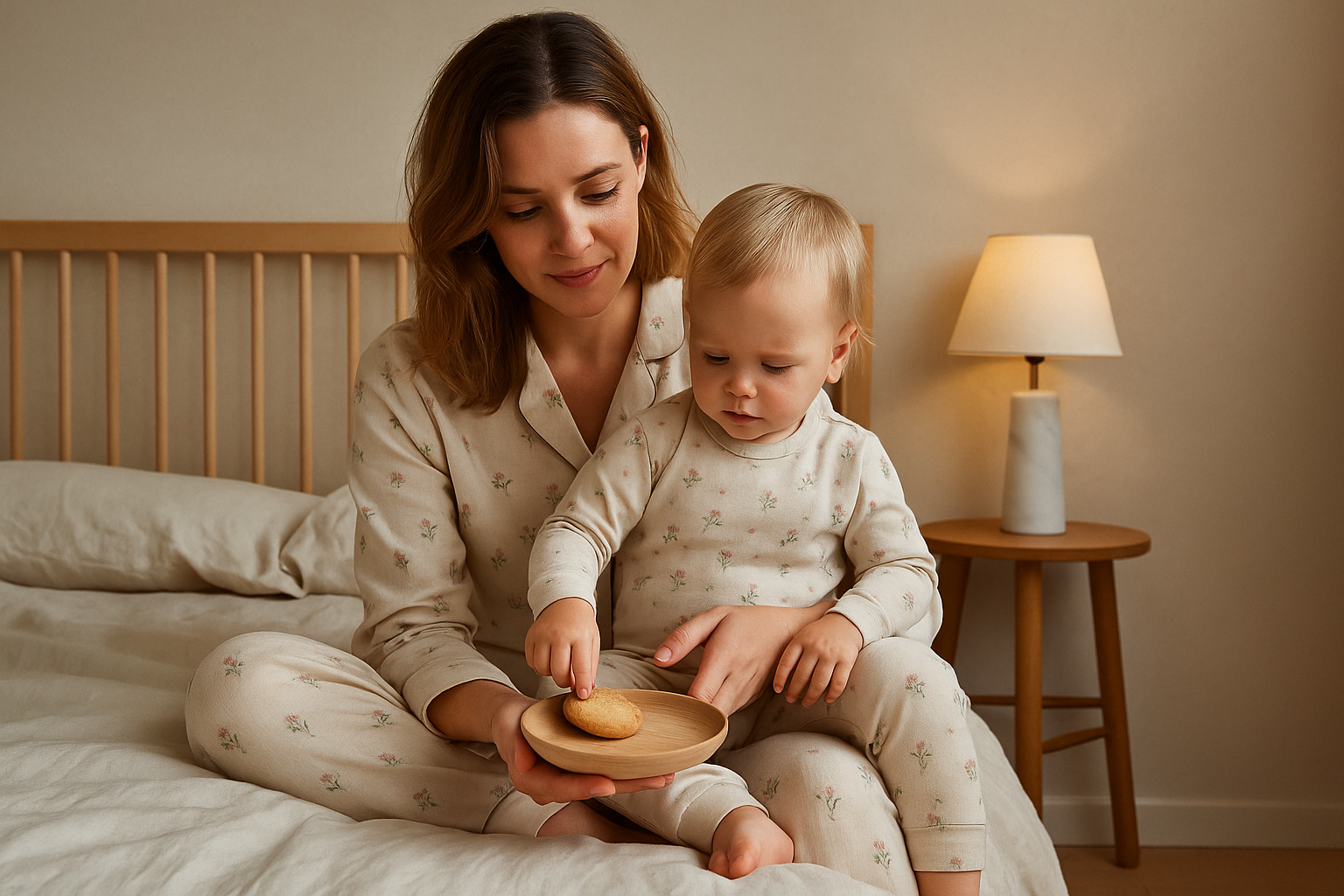
Putting It All Together: Tips for a Restful Night
Putting it all together means doing a little homework. Start with a handful of brands known for prioritizing hypoallergenic, organic materials. Read parent reviews to find firsthand accounts of how pajamas performed wash after wash—look especially for comments about no redness, no itching, and consistent softness. Order two or three different styles in varied fabrics—perhaps an organic cotton set alongside bamboo and a modal one—to identify which texture best soothes your toddler’s unique sensitivities. Keep in mind that seasonal shifts affect fabric performance: bamboo or linen blends excel in summer, whereas a thicker cotton-modal or microfiber fleece keeps winter chills at bay. Always have an extra pair ready; nighttime spills and accidents are inevitable, and damp pajamas next to sensitive skin can provoke a rash.
Over time, even the softest pajamas endure wear and tear. After each wash, gently run your fingers over every seam and hem to check for stray fibers or loose threads. Rotate favorite pairs out before you notice any coarsening or fading, ensuring your toddler always has a fresh, gentle layer against the skin. When pajamas lose their forgiving touch, replace them rather than risk irritation. By investing in the right fabrics, mindful construction, and consistent care, you’ll transform bedtime from a battle into a blissful ritual—because every toddler deserves to drift off in pajamas that feel like a loving hug.
→ Discover Our New Arrivals
Fresh styles, new fabrics — just arrived for your sweetest nights.